Many Internet users assume that they can surf the Internet and remain anonymous. Nothing could be further from the truth. Where serious harm is done by an anonymous Internet user the injured party is often able to compel third parties to disclose who the Internet user is. In Canada and other … [Read more...]
A Film Series: “Do the Rights Thing”
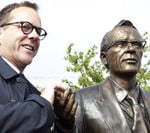
LawNow’s long-time Law and Literature columnist Rob Normey has been deeply involved in the development of a monthly film series called Do the Rights Thing: Standing up for Human Rights in History. The film series was developed by the John Humphrey Centre for Peace and Human Rights and is being … [Read more...]
Bench Press 38-4: Cabinet Ministers Breaking the Law

Several environmental groups took the federal ministers of oceans and fisheries and the environment to Federal Court seeking a declaration that they must act to protect endangered species. Madame Justice Anne McTavish granted them the declaration they sought. She noted that the Species at Risk Act … [Read more...]
Calling all Contributors! Write for LawNow Magazine!

LawNow is looking for volunteer contributors. If you share our enthusiasm and commitment to public legal education, consider writing on one of the topics in our Call for Contributors: Vol 39, or contact us with your own suggestions for themes, special reports, and columns. Topics outlined in … [Read more...]
Bench Press 38-4: Vampire Slayer Victim of a “cruel and unforgiving illness.”
Glen Race murdered two Halifax men in 2007. He pled guilty to both charges and then made an application to be found not criminally responsible (NCR). Mr. Justice Kevin Coady of the Supreme Court of Nova Scotia reviewed the law and the legal requirements for a convicted person to be found not … [Read more...]
Bench Press 38-4: “Ski Buddy” Liability
Mark Kennedy of Colorado died on a heli-skiing expedition when he fell into a tree well. His widow claimed that he had been paired with a “ski-buddy” who was contractually obliged to stay close to him, keep him in sight and assist or alert guides and other skiers if he saw that his buddy needed … [Read more...]
Bench Press 38-4: Alberta Statutes in English Only
Gilles Caron, of Edmonton, was issued a traffic ticket in 2003. Mr. Caron, whose first language is French, fought the ticket, arguing that the ticket, Alberta statutes and his court hearing should all be available in French. A provincial court judge dismissed the ticket charge, finding that the … [Read more...]
Organization Launched to Foster Canadian Charity Law
One could do worse than to study charity law to understand some of the key elements in the Canadian legal system. There are the constitutional questions raised by overlapping federal and provincial jurisdiction with respect to the subject matter. There is the use of the common law – progressive … [Read more...]
Protecting Yourself from Consumer Fraud and Scams

Been offered tickets for a free cruise? Received a heartfelt plea to help a distant relative? Had a bank or credit card company email you for your password and account details? You may have been contacted by scammers looking for your money or your personal information. Every year Canadians lose … [Read more...]
What ever happened to … The Law of Sniffer Dog Searches: Part 2

Introduction: The Flux of Law This article illustrates how quickly and remarkably the common law can adjust when judicial principles change and when new judges are appointed to the Supreme Court of Canada. The common law is generally intended to endure. Judges describe what they do as not … [Read more...]